Join The Fight Against Breast Cancer
Discover local events and resources supporting those affected by this disease—and learn why keeping up with screening matters.
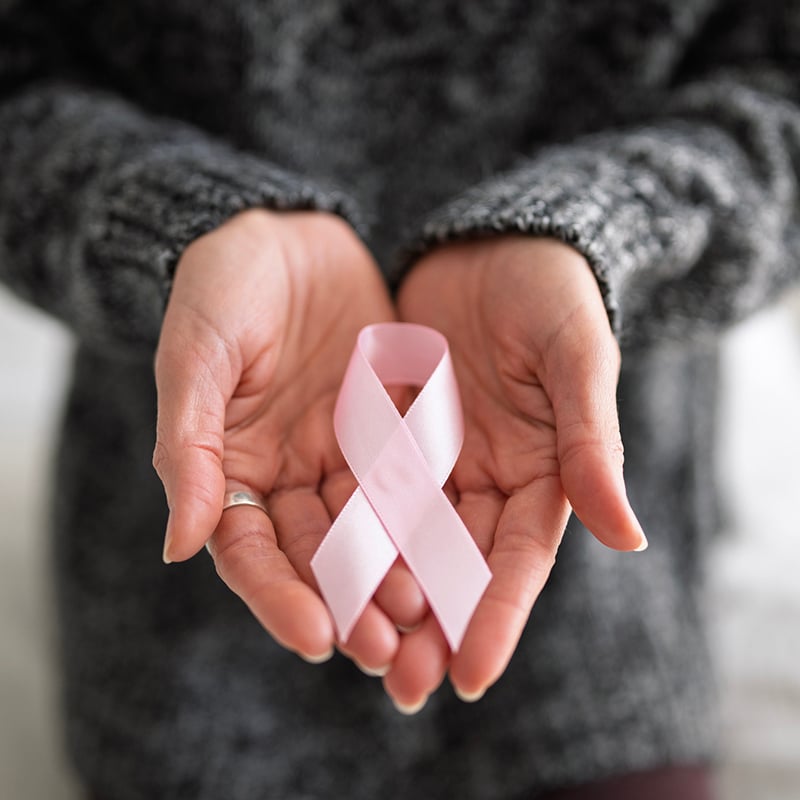
It’s always a good time to support breast-cancer research, as the disease is the second most common cancer among women in the U.S. (behind skin cancer). One in every eight women will develop it in their lifetimes. But the rallying cry is particularly loud in October, Breast Cancer Awareness Month, when we celebrate survivors, listen to the stories of those undergoing treatment, spread the word about early detection and raise money toward a cure.
We’ve rounded up some of the events happening this month, along with local charities worth knowing about if you’re looking for a way to lend your support. And because awareness is also about knowing what steps you can take for your own health, we’re bringing together the key takeaways from our recent health feature on mammograms—including what to know about screening and why staying on top of it matters.
- Oct. 17. UTCM (Unmasking the Covered Me) Beyond Pink: The Power of Knowing, 280 S. Harrison St., East Orange, 3 p.m.
- Oct. 18. Making Strides Against Breast Cancer of Newark, Mulberry Commons Park, Newark, 8 a.m.
- Oct. 25. Susan G. Komen North Jersey More Than Pink Walk, Waterfront at South Mountain, West Orange, 8 a.m.
- Oct. 25. Making Strides Against Breast Cancer of Parsippany, 4 Century Dr., Parsippany, 8 a.m.
If you can’t make it to these events, consider supporting these nonprofits that provide services to breast-cancer patients, survivors and their families:
- AAngelsNJ, Montclair
- Cancer Hope Network, Flanders; 877.HOPENET
- Connie Dwyer Breast Cancer Foundation, Short Hills
- Minette’s Angels Foundation, Verona
- Sisters Network Essex County, Newark, 201.259.0141
Beyond awareness walks and support groups, women are encouraged this month to consider a mammogram, as early detection is still one of the best defenses against breast cancer. But for something so routinely recommended, mammograms can still raise plenty of questions. MORRIS & ESSEX spoke with Sarah Fuzesi, M.D., a breast surgeon with Summit Health in West Orange, to separate fact from fiction and tackle some of the most common misconceptions surrounding mammograms. For instance:
Myth: “Mammograms are extremely painful.”
The fear of pain can be enough to make some women put off a mammogram. In fact, some women experience more discomfort than others, Dr. Fuzesi says, particularly “at different times of the month.” Consider scheduling an exam a week after your period, when breasts are less tender, to minimize any discomfort.
“I recommend going to an imaging center that has experienced techs who will address your concerns,” she adds. “Most women tolerate the test, and if you can’t, there are other tests that can be done. Talk to your doctor about your concerns.”
Myth: “Having dense breasts means something is wrong with your breasts.”
Breast density refers to the composition of breast tissue—specifically, the proportion of fibrous and glandular tissue compared with fatty tissue. A doctor will use a mammogram to diagnose dense breast tissue, but it’s neither a disease nor an abnormal condition—about half of all women have dense breasts.
There is, however, an important distinction women should understand. “We care about it as breast surgeons,” Dr. Fuzesi says, “because it makes it harder to detect breast cancer if you have dense tissue and therefore makes your risk of breast cancer higher. As a result, we often recommend supplemental screening either with ultrasound, MRI or both.”
Dense breast tissue can also make mammograms more challenging to interpret because both dense tissue and tumors can appear white on the image, potentially making some cancers harder for radiologists to see.
So while breast density itself is not something to be alarmed about, it is information women should discuss with their healthcare providers. Knowing whether you have dense breasts can help you and your doctor make informed decisions about your breast-screening plan.
For the rest of Dr. Fuzesi’s advice in the NEW issue of MORRIS & ESSEX.