
Listen To Your Heart
Know the signs of cardiac trouble—including subtle ones that can mimic more innocent conditions.
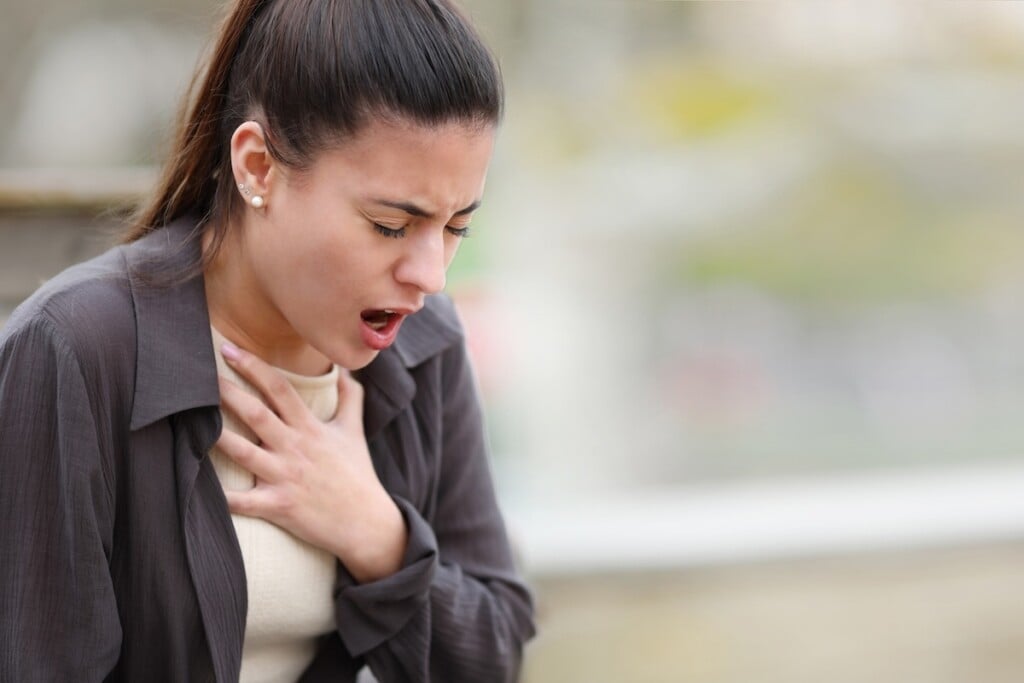
“The most typical symptom of a heart attack,” says Bruce Haik, M.D., “is a crushing chest pain, like an elephant sitting on your chest. It travels down your left arm. Then you see profuse sweating, usually enough to soak through the shirt.”
That warning can’t be repeated too often. After all, cardiovascular disease is the leading cause of death in the United States, across genders and ethnic groups, according to the Centers for Disease Control and Prevention (CDC). It’s responsible for one in every three deaths.
But sometimes heart attacks don’t follow the rules. Sometimes they present with symptoms that aren’t classic. As Dr. Haik, an interventional cardiologist who is both chief of the Division of Cardiology and director of the Cardiac Catheterization Lab at Cooperman Barnabas Medical Center in Livingston, explains, certain populations are more apt to show such non-classic symptoms—“particularly women, more elderly populations and patients with diabetes.
“There’s more to this disease than chest pain,” the doctor says. “And you can’t rely on only chest pain to identify when there’s a problem.”
Less common heart-attack signs
First, Dr. Haik cites acute abdominal discomfort as one such symptom. “It’s tough, because everyone gets indigestion and heartburn sometimes. People will write this off to something they ate.” But there are two warning signs that it could be cardiacrelated. First, if the symptoms are very severe, unusual and lacking apparent cause: If you aren’t getting over a bug and you have no history of this kind of reaction to food, pay attention. “Second, think about how you feel when the pain passes,” the doctor says. “Do you feel normal, or completely depleted? If it’s the second, it’s more likely related to your heart.” And if these gastrointestinal symptoms are combined with chest pain, seek medical help right away.
“Something you need to understand about these atypical symptoms is that the heart itself has no pain receptors,” says Dr. Haik. When you’re having a cardiac problem, you feel “referred pain” because of the neuropathways that are shared among the heart, the face, the abdomen and the back. “So some patients—particularly women, the elderly and people with diabetes—don’t feel discomfort in the chest. Instead, they may say, ‘My teeth hurt, I was thinking about making a dentist appointment. I’m having bad jaw pain, or ear pain.’”
Shortness of breath is another possible heartattack sign that can be difficult to assess. But Dr. Haik says it’s a symptom he wishes people paid more attention to. “We all get short of breath,” he says. “But you need to pay attention to what’s precipitating it, and if it’s different from how you normally feel. If you’re suddenly struggling while doing something that’s normally easy for you, that’s noteworthy.”
Always these symptoms are a concern when they are sudden-onset or very unusual to you. Often, people who experience these symptoms, particularly women, will also suffer profound, unusual fatigue (fatigue that has no apparent cause and that is severe enough to disrupt daily life) in the two weeks leading up to the event. “If a woman, someone older or someone with diabetes is complaining of strange fatigue, shortness of breath and upper-body pain, get tests done immediately,” says Dr. Haik. “Don’t write it off.”
If you think you’re having a heart attack, every second counts—call 911 and get to an emergency room as soon as possible.
Other than a heart attack, often-discussed indications and symptoms of heart disease include a pounding or racing heart (heart palpitations, in some cases known as tachycardia), increased exercise intolerance and dizziness or fainting spells.
Less common signs you should get your heart evaluated? “If you get short of breath when you bend over to tie your shoes, and only when you bend over,” says the doctor. “Bending over puts pressure on the right side of your heart and, if the pressure is already high, it triggers that symptom.”
Also pay attention to unexplained swelling, particularly in the legs. “If your slacks are tighter than usual, that could be an issue of fluid retention. When your heart isn’t pumping correctly, all that fluid backs up into your legs and your abdomen.”
Tips for the ticker
Even better than watching vigilantly for signs of illness, of course, is staying heart healthy in the first place. Advice on maintaining cardiac health has stayed consistent over the years for a reason: The data keep backing it up. A healthy diet high in vegetables and lean meats and low in sugar and processed carbs, consistent physical activity and the avoidance of smoking (including secondhand exposure, e-cigarettes and vapes) are all essential, as is managing your weight, blood pressure, blood sugar and cholesterol. Maintaining healthy sleep habits is also essential—the CDC recommends at least seven hours a night for adults.
“It’s all about moderation,” says Dr. Haik. “You don’t need to do Pilates every day or never have ice cream. But you do need to stay active and keep a balanced diet.”
One aspect of proactive heart health is too often neglected, the doctor says. “You must manage your stress,” he explains. “Stress isn’t one of those major risk factors of heart disease, but it’s a serious secondary trigger. Your blood pressure goes up, your adrenaline goes up, your heart rate increases. It’s bad for your body and your heart.”
The doctor concludes with one final caution: “If you think something is off, that’s important. Err on the side of caution. An ER visit and an evaluation may find nothing, but it could also save your life.”