
Are GLP-1’S Right For You?
These medications are being marketed as the new gold standard in weight loss. It’s important to understand who they’re for—and who they’re not for
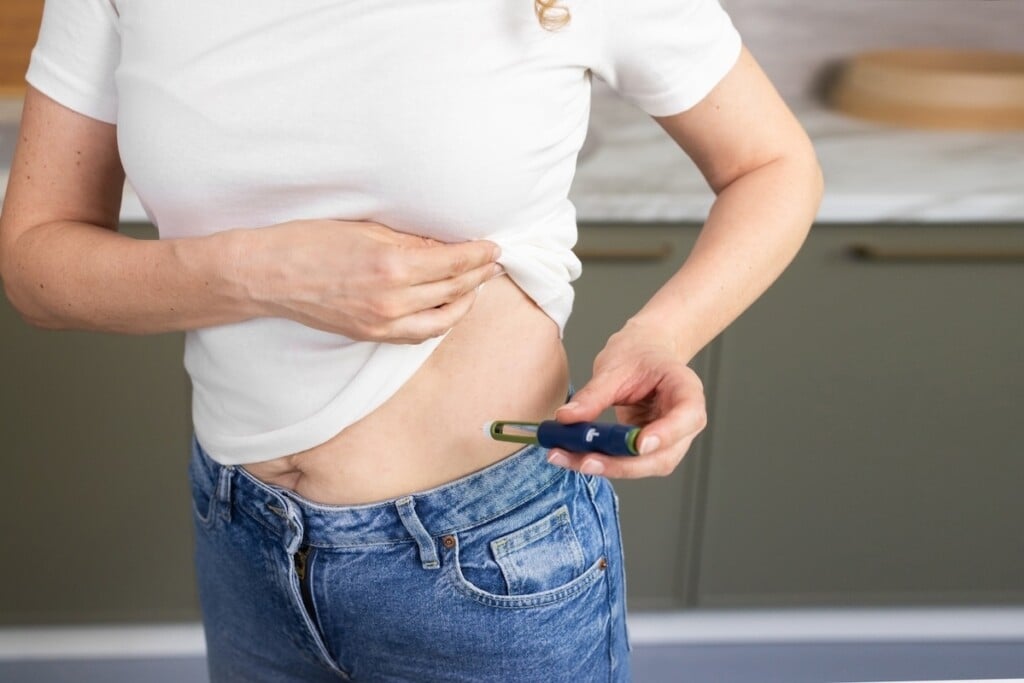
You’ve seen the commercials for them, read the news articles and lifestyle columns about their success and heard friends discussing them over lunch or at the water cooler. Maybe friends report taking them. Glucagon-like peptide-1 receptor agonists, more commonly known as GLP-1 medications and marketed under such names as Ozempic, Wegovy, Mounjaro and Trulicity, are one of the buzziest topics in the consumer medical space
That’s for good reason. They have been revolutionary in managing and controlling Type 2 diabetes, a chronic condition that can cause, among other things, cardiovascular disease, heart attack, kidney damage, nerve damage and hearing loss. Also, these medications have been proven to be an incredibly effective weight-loss mechanism and a treatment for obesity— and a fast one at that.
MECHANISM OF ACTION
“GLP-1s work primarily in the gut, but also in the brain,” explains Maurice Mosseri, M.D., an endocrinologist who practices through Atlantic Health in Red Bank and Manalapan. “They affect the interaction of the two, enhance the way your body metabolizes food and push your body to secrete more insulin, so that you metabolize food in a more efficient way.” Specifically, the medications mimic the action of the natural GLP-1 hormone to stimulate insulin release, which lowers blood-sugar levels; block the release of glucagon, a hormone that raises blood sugar; slow the rate at which food leaves the stomach, which helps prevent blood-sugar spikes after meals and contributes to a feeling of fullness; and act on the brain to create feelings of fullness and reduce hunger signals, which can lead to eating less. “They’re fantastic medications for diabetics,” the doctor says. “We’re seeing patients coming off insulin, losing weight and achieving a healthier lifestyle. They’re quickly becoming the go-to.”
Besides being prescribed to patients with Type 2 diabetes, some GLP-1 medications are FDA-approved for weight loss in people with a BMI [body mass index] of 30 or higher, or a BMI of 27 or higher with a weight-related health condition such as high blood pressure or sleep apnea.” (See “Find Your BMI,” below.) The Centers for Disease Control and Prevention (CDC) defines a “healthy” BMI as between 18.5 and 24.9 percent. Depending on the medication and the person, patients using GLP-1s for weight loss lose an average of 10 to 15 percent of their body weight in a year; some patients lose more than 20 percent.
A HOST OF BENEFITS
For many, shedding that weight isn’t just a matter of vanity. Obesity is one of the leading risk factors for heart disease and heart attacks, says the CDC. It can lead to metabolic dysfunction-associated steatotic liver disease (MASLD), formerly known as nonalcoholic fatty liver disease, which can cause liver damage and cirrhosis. Obesity can also cause joint problems and respiratory conditions such as asthma. But losing weight, despite its health benefits, is hard to do. GLP-1s make it significantly easier. Though not everyone who goes on these drugs will lose a significant amount of weight (every medication can affect different people differently), they’re a godsend for many. “When they work, they work really well,” says Dr. Mosseri.
Beyond the primary benefits of blood-sugar control and weight loss, “they’re good for your heart and good for your kidneys,” the doctor says. “Cardiologists are starting to prescribe them to patients who are at a high risk for heart attacks.” GLP-1 medications can slow the progression of chronic kidney disease, help lower blood pressure and cholesterol and offer relief from sleep-apnea symptoms. For some, therefore, they offer a significant quality-of-life boost.
ALSO NEEDED: LIFESTYLE CHANGES
However, these medications are not a “one-shot fix-all,” according to Dr. Mosseri. “You still need to diet and exercise.” GLP-1s should be combined with healthy lifestyle changes for best and most sustainable results. Improving diet, addressing any unhealthy eating behaviors and, in particular, exercising are all vital. “It’s important to focus on building muscle, because these medications can cause you to drastically lose muscle mass,” Dr. Mosseri says. “You want to do weight-bearing muscle exercises. I jokingly tell my patients that they want to be picking everything up and putting it back down, but there’s truth to that. You don’t want cardio; you want muscle building specifically.”
Dr. Mosseri also stresses the importance of a low-carb diet with lots of lean proteins. Increase the number of fruits, vegetables and whole grains you eat and opt for “smaller meal sizes,” says the doctor. Experts also suggest that you address any “emotional eating” habits you may have, seeking support from a therapist if needed. In addition, sleep plays an important role in appetite regulation and overall health, so prioritizing getting enough will do a lot for you. (For adults, the CDC recommends seven hours or more.)
GLP-1 medications are not the best choice for everyone. According to Dr. Mosseri, they should be avoided by people with a history of pancreatitis or alcoholism. Others who are not candidates? Individuals with severe gastrointestinal diseases such as gastroparesis, women who are pregnant or breastfeeding, and “anyone with anorexia or a history of severe eating disorder,” says the doctor.
KNOW THE SIDE EFFECTS
Like many medications, GLP-1s have potential side effects. “People commonly experience stomach or abdominal pain, nausea, vomiting, diarrhea and constipation,” says Dr. Mosseri. These effects are usually at their worst when one is starting the medication or increasing the dose; in many cases they lessen over time. Says our expert: “For those gastrointestinal symptoms, we recommend a lowfat, high-protein diet with smaller, more frequent meals.” Staying well-hydrated also helps.
There is also a possibility of more severe side effects—pancreatitis (inflammation of the pancreas), gallbladder problems such as gallstones, hair loss and sarcopenia (loss of muscle mass and strength) have all been reported. Frequent check-ins with a primary care doctor are vital to maximizing the benefits of GLP-1s and minimizing the risks.
Says Dr. Mosseri: “These are powerful medications. They can help a lot of people. But there are some patients who aren’t obese, don’t have diabetes and are just looking to drop a few pounds. This isn’t an appropriate treatment for them—it would be too much.” He adds: “I tell my patients to imagine losing 20 percent of their body weight and think about what that would look like. If you’re not comfortable with that, it’s not the right medication for you.”
FIND YOUR BMI
To calculate your body mass index (BMI), divide your weight in kilograms by your height in meters squared. Or log onto the website of the National Heart, Lung, and Blood Institute (nhlbi.nih.gov), search “Calculate BMI” and enter your height and weight into the online calculator. And remember: As endocrinologist Maurice Mosseri, M.D., explains, GLP-1 medications are not intended for people who simply want to lose a few pounds for cosmetic reasons.