
Courage In The Aftermath
Bergen firefighters recall when they rushed to help on 9/11. Today, you can support first responders and families that lost loved ones.
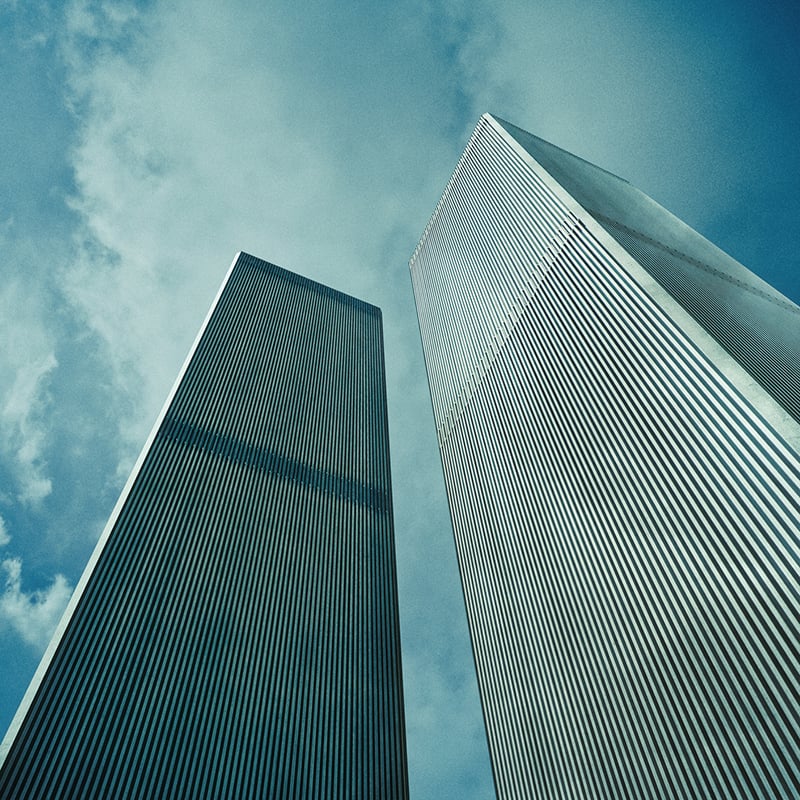
Twenty-five years later, the memories remain vivid: the uncertainty of that morning, the long ride toward New York, the smoke rising over the skyline and the overwhelming scale of what awaited those who came to help. For Bergen County first responders, Sept. 11, 2001, became a day they would carry with them for the rest of their lives.
In the aftermath, they joined countless other emergency personnel who answered a call that required courage, compassion and an extraordinary sense of duty. Below, two share their memories of those days—the people they encountered, the moments that have stayed with them and what they want the next generation to remember. For more memories and reflections on 9/11, see our September issue.
John McLoughlin, 63, retired captain, Englewood Fire Department:
“I was in Woodcliff Lake doing a part-time job when I heard the news on the radio, and I was allowed to go back to the firehouse. As soon as I drove over the big hill in town, I saw the smoke. I couldn’t believe it.
“We mobilized on the George Washington Bridge for hours, watching and picturing the scene beneath all the smoke in lower Manhattan. It was agonizing, the helpless feeling of being ready to help but never getting the call that day. We were able to go in with a squad truck and engine the next day. Never did I imagine driving down the West Side Highway in a fire truck to respond to a scene. When we passed Chelsea Piers, we were met by random people on the side of the highway who were cheering us on. Then we stepped into history when we got off the truck. A mom and her 10-year-old child came up to us and gave us sandwiches, telling us to eat because they knew we were in for a long day. As we approached Ground Zero, I remember seeing the body bags. The piles must’ve been 20 feet high. We were hoping to rescue any trapped victims when we started digging through the rubble. Instead, we were pulling out body parts, shoes, hats, personal belongings. A range of emotions were going through me: sadness for those who died, frustration that we didn’t find any survivors and anger toward those responsible.
“Everyone wanted to help. While I was going through the destruction, a priest came up to me offering everything from clean socks to cigarettes. We were experiencing the worst of the worst and the best of the best. Twenty-five years later, that’s what stood out: how everyone came together, how for weeks and months after, everyone was on the same page.”
Mark Bombace, 65, retired captain, Ridgewood Fire Department:
“I was at home that morning when my wife, who was working in Moonachie, called and told me what was happening. I turned on the TV, and before I hung up the phone, I remember being filled with a great sadness: I knew a lot of people, including firefighters, police officers and EMS would die that day.
“The department and the county were coordinating a response, and we sent an engine to go in. A few guys from the department—my brother James and I were part of this group—were stopped mid-span on the George Washington Bridge. This was before smartphones, so we used old cell phone cameras to take pictures. Being stopped on the bridge was frustrating: We wanted to help but couldn’t, and no one knew what was happening—there was no information coming in. We stood by for five hours before we were relieved. On the next day, my brother and I drove to Ground Zero and met with a FDNY battalion chief, who was trying to direct from behind a folding table. The next thing I know, I’m shoveling through rubble which was once the tallest building in the world. My training took over, and I remember thinking I had a job to do. But I’m human too. I took a minute to do a 360, and it struck me—this was the convergence of good and evil.
“On Day 3, I saw [New York Governor George] Pataki on the phone and started walking toward him. His staff tried to stop me, but he hung up and told his team to let me through. He came over to talk to me and thanked me for helping. It was a heartwarming moment. I went to a lot of funerals, but in the end good always triumphs over evil. One of my neighbors died, and I went over to see the kids. There was a great sense of loss, but we help as much as we can. And we keep moving forward the best we can.”
Legacy of support
The stories of 9/11 continue to remind us of the importance of remembering—and of supporting those whose lives were forever changed. For readers who would like to learn more or lend their support, the following organizations offer meaningful ways to honor their memory and legacy.
Jersey Cares. Donations to this organization support its National Day of Service and Remembrance initiatives, which include kits for first responders and gardening projects throughout the area.
New Jersey Firefighters Mutual Benevolent Association (NJFMBA). Through its union and the NJHMBA Foundation, this organization supports 9/11 first responders, memorial projects and related legislative health benefits.
Tunnel to Towers Foundation. Support to this nonprofit aids initiatives such as providing mortgage-free homes to first responder families with young children and undergraduate and trade school scholarships for children of foundation home recipients.
Want other ways to give back during the National Day of Service? Some of the ways you can get involved include donating used clothing, offering mentoring skills or contributing to a food pantry.
How are you commemorating the National Day of Service? Tell us all about it on Instagram @bergenmagnj.