
Keep Furry Friends Safe This Season
Skip the table scraps, watch your holly, and make sure your pets have a healthy holiday.
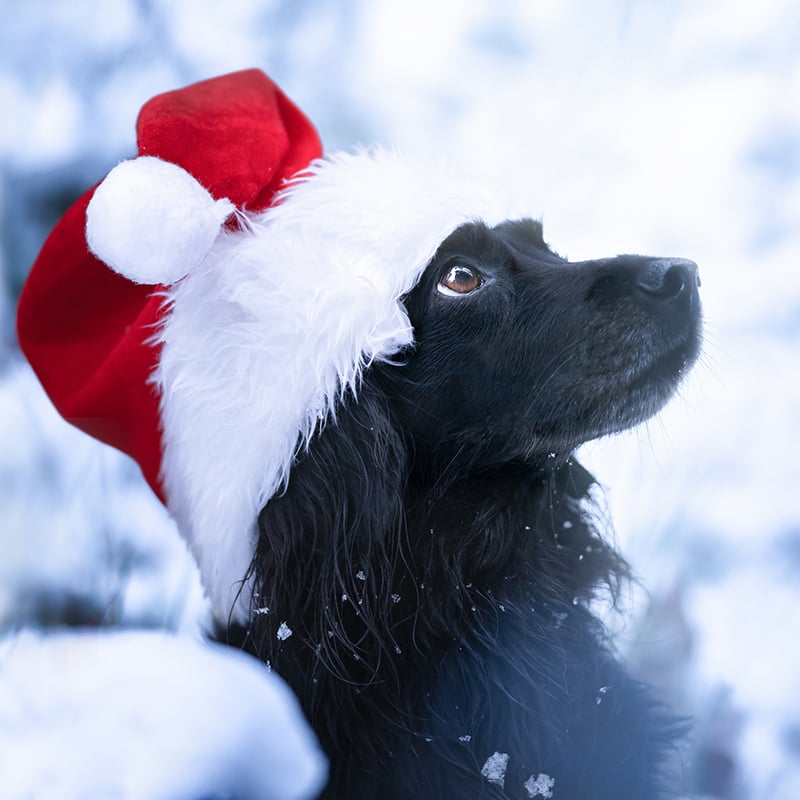
The holiday season is a time for gathering with family—including the four-legged members. Between buying them gifts, snapping pictures of your dog with Santa and trying to convince your cat to leave that festive collar on just a little longer, there are plenty of ways to ensure your pet is included in the fun.
But there are also some activities they should skip. The holidays can create unique dangers for dogs and cats, with human food left unattended and unfamiliar people in the house. With that in mind, we’ve compiled some tips and reminders to keep tails wagging and your whole family healthy this season:
Skip the table scraps. We know those puppy dog eyes are convincing, but resisting them is step one in keeping your pet safe. Common seasonings and large amounts of additives such as garlic, onions and nuts can be poisonous to dogs and cats, and the extra-rich foods that humans favor during the holidays can be hard on their digestive system and cause long-term health effects if they eat too much of it. In addition, bones from turkey, ham and chicken are choking hazards. If you’re entertaining, keep an eye on charcuterie boards on low tables (we don’t need to tell you how sneaky your dog can be when there’s food involved) and on the dessert spread; chocolate is toxic to both dogs and cats, and xylitol, a common artificial sweetener, can be deadly to canines.
If you’re looking for a seasonal treat that won’t upset your pet’s stomach, the American Society for the Prevention of Cruelty to Animals (ASPCA) suggests you stick to a small piece of boneless turkey.
Watch the greens. We love fragrant, fresh garlands as much as the next person, but take care if you have a dog or cat in the house. Both mistletoe and holly can cause upset stomachs if a curious animal decides to sneak a nibble and, if enough is eaten, both can cause cardiovascular problems. Keep cats away from the lilies that are common in store-bought flower arrangements, as they are highly toxic to felines and can cause kidney failure. Poinsettias can cause similar problems. Make sure to glance over ASPCA’s full lists of plants toxic to dogs and cats.
Keep an eye on décor. Where we see a felt Christmas ornament, your cat or dog sees a fun chew toy—one that may have choking hazards. Keep the lower few branches of the tree free of ornaments if you’re concerned your pet might take an interest. A curious kitty can also knock a whole Christmas tree down if he or she is very determined to get to the top; using fishing line to secure it to a doorframe or the ceiling might be worth looking into. If your tree is fresh, keep pets away from any water additives you’re using, as these can be hazardous if swallowed. You may also want to skip the tinsel, as it is a common cause of intestinal blockages for pets during the holidays, according to the American Veterinary Medical Association (AVMA).
As always, keep good sense practices in mind: Don’t leave candles unattended and be aware of fire hazards.
Inform your guests. No matter the animal, there’s always a chance that having visitors in their territory can upset a pet. Make sure you have a comfortable, quiet indoor space where your cat or dog can retreat to or be moved to if they’re feeling overwhelmed—and that your guests know to leave them be if they’ve gone there, says the AVMA. All your guests should also be aware of any pets in the house before they arrive, so those with allergies can take preventative measures and no one is surprised by an unexpected animal. Make sure small children aren’t left alone with dogs. The AVMA also suggests encouraging your guests not to bring their own pets along with them unless you know for sure that the two animals get along; a party is a stressful environment to be introduced!
How are you celebrating the holidays with your pets? Make sure to tag us @bergenmagnj in all your more adorable moments!