
Life In An Age Of Stress
A constant diet of worrisome global headlines can be an actual health hazard. Here are some ways to beat it.
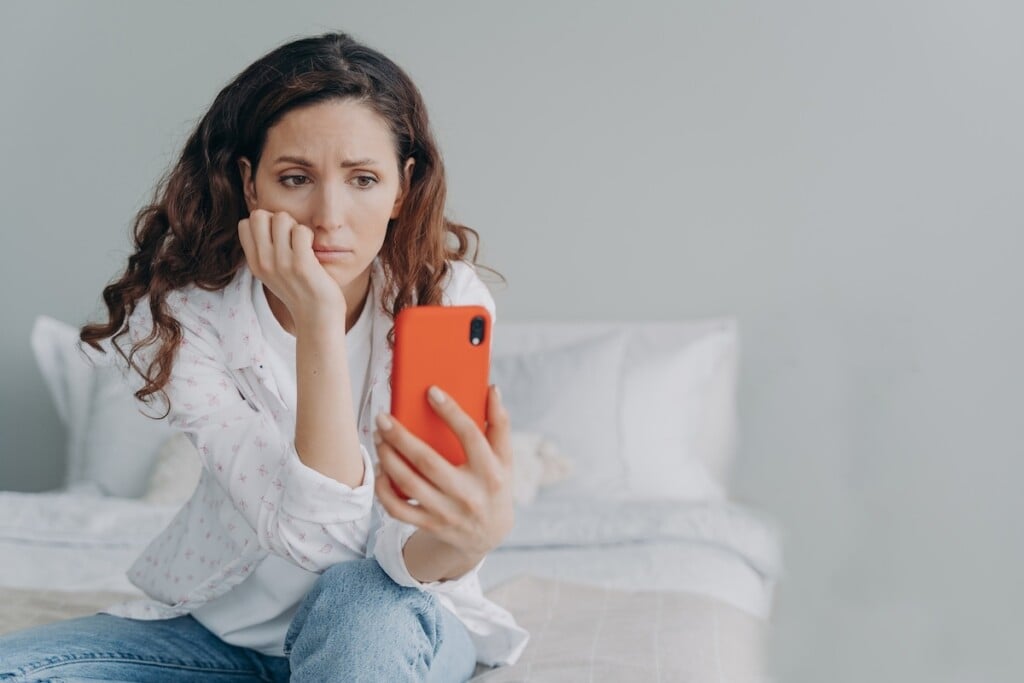
Do you find yourself taking on “the weight of the world”? These days it’s hard not to. Worry over society’s troubles, large and small, can follow us into the kitchen as we unload the dishwasher—linger in the traffic on Highway 22—hum quietly while we answer emails. The headlines may be global—politics, economics, climate—but the stress they generate often shows up in highly personal ways: irritability with a partner, difficulty sleeping, muscle tension or headaches
This layering of stress is increasingly common, according to the American Psychiatric Association (APA). There is big-picture, or macro-level, stress—the strain of societal uncertainty—and then there are the routine pressures of deadlines, bills, family logistics and packed calendars. In a 2025 APA poll, more than two-thirds of respondents cited current events, personal safety and financial concerns as significant contributors to their anxiety.
“Humans are hard-wired for connection,” says Sarah Fajgenbaum-Teslja, M.D., a board-certified psychiatrist at Integrative Psychiatric Services in Montclair. “Our species evolved in tight-knit groups where what happened to other group members affected everyone’s chances of survival. Because of this, we naturally respond to such stories with emotion.”
Large-scale events can feel acutely personal, even when they do not directly alter day-to-day routines. From a neurobiological standpoint, humans are designed to detect and respond to threat. When the broader social or economic environment feels unstable, the body may activate a stress response similar to that triggered by more immediate dangers. Heart rate increases. Patience diminishes. Minor inconveniences can feel disproportionate.
“We live in an increasingly interconnected world,” Dr. Fajgenbaum-Teslja explains. “Even when an event doesn’t immediately affect us, we may intuitively sense that it could shape the future—social norms, policies, economic conditions or cultural attitudes—so we feel emotionally invested.”
One clinical indicator that macro-level anxiety is spilling into everyday life is when we overreact emotionally. A routine work email may feel catastrophic. A minor household oversight may spark frustration. Continuous exposure to news cycles and social media can further amplify this response, keeping the sympathetic nervous system activated well beyond the initial trigger.
WOE IS US!
Are things worse than ever? Objectively, the answer is clearly no. Americans are deeply divided, but we wouldn’t trade places with the Civil War generation in that respect. Financial troubles afflict some of us, but not like the Great Depression. There is monstrous evil in the world, but what about the evil our grandparents faced— and some of them died to combat—in World War II?
Still, never before have we all been so constantly bombarded with troubling reports, as a hypercompetitive media world rewards and prioritizes the shrill and alarming, while the internet and social media amplify up-to-the-minute news accounts with grievances, conspiracy theories and half-substantiated, sensational scare stories. And it’s all within quick reach on our phones.
Staying informed matters, but so does protecting our mental bandwidth.
Try setting intentional limits to media consumption. Many apps, for example, can be programmed to monitor usage and duration. Consider banning the use of social media and the scrolling of news sources an hour before bed at night and an hour after waking up in the morning.
“Being selective about our news sources can help us stay informed while avoiding sensational, stressprovoking content,” Dr. Fajgenbaum-Teslja says. “Studies show that television and social media may be more triggering than other news sources. Social media is constantly vying for our attention, so we must be very intentional about when we use it. Turning off notifications can be helpful along with setting strict techfree times every day, such as mealtimes, during work and at bedtime. Some of my patients have invested in ‘bricks’, which restrict access to social media apps, while others have removed social media apps altogether.”
Another useful cognitive strategy involves distinguishing between concern and control. Asking, “Is this something I can directly influence?” helps clarify where energy is best directed. When the answer is no, channeling concern into small, meaningful action—volunteering locally, donating, helping a neighbor or engaging in constructive dialogue—can restore a sense of support. Perceived control is strongly associated with reduced anxiety and improved emotional regulation.
TOOLS FOR ACUTE STRESS
When stress escalates, simple physiological interventions can interrupt the cycle. Slow, paced breathing—such as inhaling for four counts and exhaling for six—activates the parasympathetic nervous system, signaling safety to the body.
Over the long term, foundational health behaviors play a central role in resilience. Adequate sleep, regular physical movement and consistent, face-to-face social interaction expand the “window of tolerance”—the range in which individuals can experience stress without becoming overwhelmed.
“Good sleep, exercise and social connection play a critical role in building our resilience to stress, but there are many other helpful things we can do too,” our expert says. “During the pandemic, researchers in Spain surveyed thousands of adults and found that two-thirds of them reported anxiety or depressive symptoms. However, those who limited their exposure to COVID-related news and tried to eat healthy, along with pursuing hobbies and more time outdoors, were likely to experience less stress.”
WHEN TO SEEK SUPPORT
While stress is a normal physiological response, persistent or escalating symptoms warrant attention. Ongoing sleep disruption (getting too much or too little sleep), irritability, social withdrawal, difficulty concentrating or recurrent physical complaints— such as headaches or gastrointestinal discomfort— may signal that additional support would be beneficial.
Reaching out for support is proactive healthcare. It’s important to talk with trusted friends or family about how you’re feeling. But if stress begins to impair your ability to function day to day—whether at work, at home or in your relationships—that’s a clear signal it’s time to seek professional guidance.
“If chronic stress keeps the ‘fight or flight’ response engaged in the long term, the results can be severely damaging: high blood pressure, heart disease, weakened immunity, chronic inflammation, cognitive changes, digestive issues and mental health disorders,” Dr. Fajgenbaum-Teslja says. “According to Harvard experts, the specific health risks of doomscrolling can include gastrointestinal problems, headaches, muscle tension, neck and shoulder pain, low appetite, difficulty sleeping and even elevated blood pressure.”
Ironically, stress often prompts withdrawal, even though social connection is one of the strongest buffers against anxiety. Reaching out need not be elaborate. A brief walk, a phone call or a shared cup of coffee can reinforce stability and belonging.
Community engagement—particularly helping others—also reinforces purpose, which improves psychological well-being, according to the American Journal of Public Health.
The broader world may remain unpredictable. However, individual routines and interpersonal interactions still offer opportunities for regulation and steadiness. While we cannot control the headlines, we can influence how we respond. Look for positive news, for instance, Dr. Fajgenbaum-Teslja says.
“Focusing on what’s happening in our local community can reduce our sense of hopelessness. Local news tends to be less negative, and we can make a difference in our own community through volunteer work and activism.”