
Listen To Your Heart
Know the signs of cardiac trouble—including subtle ones that can mimic more innocent conditions.
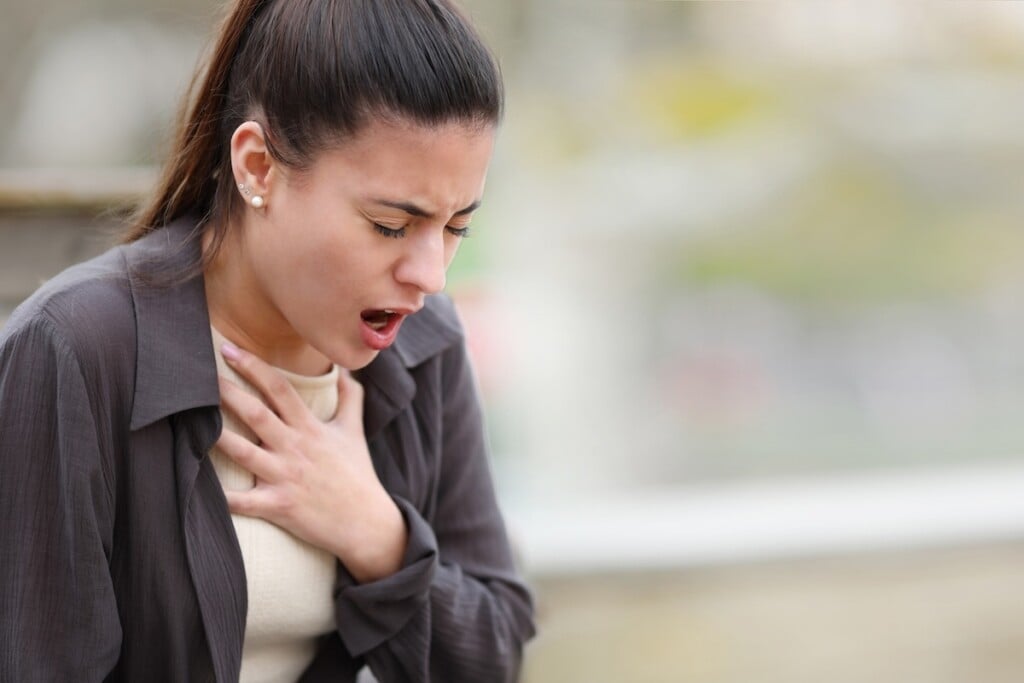
“The classic symptoms of a heart attack,” says Brett Sealove, M.D., “are a severe, crushing chest pain that travels down your left arm, and then profound sweatiness and lightheadedness. It is going to feel like nothing you’ve ever experienced in your life.”
That warning can’t be repeated too often. After all, cardiovascular disease is the leading cause of death in the United States, across genders and ethnic groups, according to the Centers for Disease Control and Prevention. It’s responsible for one in every three deaths.
But sometimes heart attacks don’t follow the rules. Sometimes they present with symptoms that aren’t classic. As Dr. Sealove, a cardiologist and the chair of Cardiology at Hackensack Meridian Jersey Shore University Medical Center in Neptune, explains, certain populations are more apt to show such non-classic symptoms—“particularly women and more elderly populations.”
“Because the likelihood you’ll see these symptoms in yourself will increase as you get older, it’s good for everyone to know them,” he says. Another population prone to less typical heart attack symptoms? People with diabetes.
Less common heart-attack signs
First, Dr. Sealove cites “profound fatigue” as one such symptom. “I know that’s a really general symptom, but here’s the qualifier—this will be usual, unexplained exhaustion,” he says. Patients describe a “battery running out” feeling that completely disrupts their day or what they’re doing. “Some people, especially women, present with that fatigue up to two weeks before an attack,” the doctor explains. “It’s something to keep an eye on. Patients also describe a profound disturbance in their sleep during that period.”
He adds that “gastrointestinal or abdominal discomfort is another atypical symptom. Again, this will be unusual and unexplained—there’s no reason to call 911 whenever you’re feeling some indigestion.” These symptoms become a concern when “you’re not getting over a bug, no one in your family is either, you have no history of gastritis and you’re experiencing severe nausea, vomiting and indigestion. That could be a sign of an attack, even without chest pain. When it’s combined with chest pain, seek medical help right away.”
One more symptom that can be difficult to judge is shortness of breath. “It’s a subjective symptom,” says the doctor. “Everyone is short of breath sometimes. But you’re looking for something dramatically off your baseline. If you can usually jog with no trouble but you’re suddenly getting short of breath moving your garbage cans? That should raise alarms.”
Always these symptoms are a concern when they are sudden-onset or very unusual to you. “You know when something doesn’t feel right, and you should listen to yourself,” says Dr. Sealove. “I hear people say all the time, ‘I thought it was nothing.’ Yes, it could be nothing, but it’s also not worth getting it wrong. If you’re experiencing something intense that you’ve never experienced before, that’s worth an evaluation.” If you think you’re having a heart attack, every second counts—call 911 and get to an emergency room as soon as possible.
Other than a heart attack, often-discussed indications and symptoms of heart disease include a pounding or racing heart (heart palpitations, in some cases known as tachycardia), increased exercise intolerance and dizziness or fainting spells. With that in mind, Dr. Sealove suggests you pay attention to your heart rate. If you feel your heart “jump” or skip beats, head to an expert.
Less common signs you should get your heart evaluated? “Unexplained swelling,” says the doctor, “particularly in the legs. If you suddenly can’t fit in a pair of dress pants or socks, that could be a sign of fluid retention, and a heart problem. When your heart isn’t working properly, fluid that should be in your bloodstream ends up in other places, often the legs and abdomen.”
Also pay attention to rapid weight gain. “If you suddenly gain 10 pounds in a month for absolutely no reason, that may also be an issue of fluid retention,” he says.
Tips for the ticker
Even better than watching vigilantly for signs of illness, of course, is staying heart healthy in the first place. Advice on maintaining cardiac health has stayed consistent over the years for a reason: The data keep backing it up. “It’s all stuff the generation ahead of you says,” Dr. Sealove agrees. “It takes time and effort, but up to 80 percent of heart disease is preventable.” A healthy diet high in vegetables and lean meats and low in sugar and processed carbs, consistent physical activity and the avoidance of smoking (including secondhand exposure, e-cigarettes and vapes) are all essential, as is managing your weight, blood pressure, blood sugar and cholesterol.
But one aspect of proactive heart health is too often neglected, the doctor says. That’s “sleep hygiene. A lot of younger people are workers, grinders, and they think ‘I’ll sleep when I die’ while getting four hours of sleep a night. Longterm, that is terrible for you. Sleep is important for your metabolism, heart, brain and other organs.”
The doctor concludes with one final caution: “This isn’t an old folk’s disease. Don’t assume that this advice doesn’t apply to you because you’re 55. Heart disease is becoming more and more preventable. If you work with your medical team and detect it early, that’s huge.”