
6 Syllables That May Cause Concern
Odds are, that “multifactorial” symptom you’re feeling doesn’t mean your heart’s in trouble. But just in case, here’s what you should know.
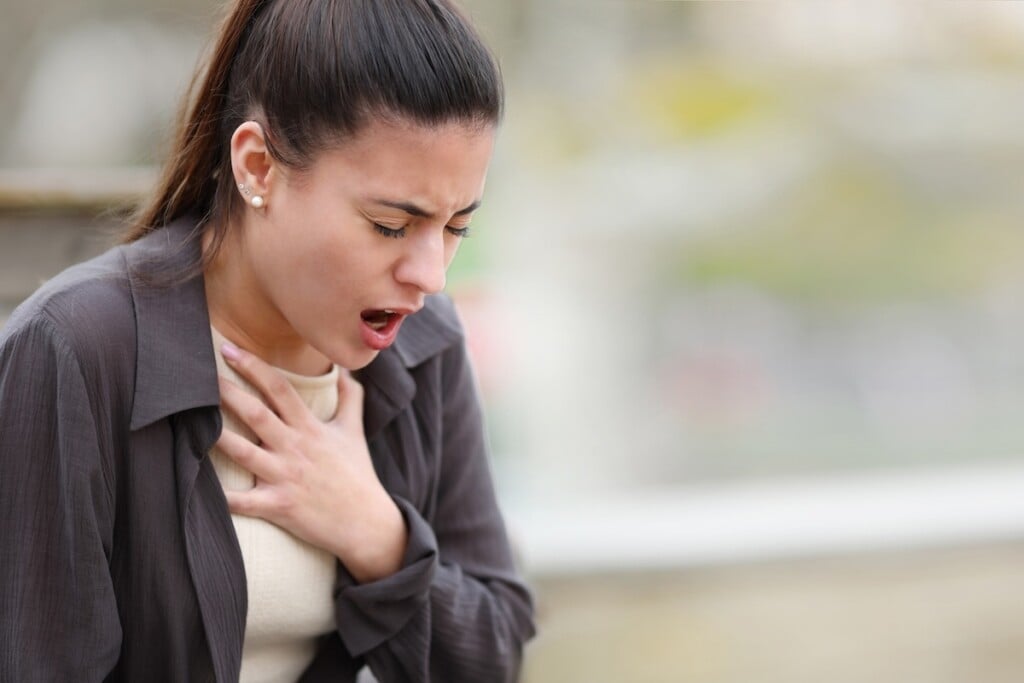
Shortness of breath, says Kate Raiti, M.D., a cardiologist who practices at Valley Medical Group Cardiology in Montvale, is “a multifactorial symptom, meaning it can be caused by many things.”
“Because of that, people think, ‘Well, this must be a symptom related to my lungs.’ They don’t realize that decreased oxygen in the blood from a heart problem can feel like that.” Shortness of breath, she explains, is one of the lesser-known signs of a heart attack.
That term “multifactorial” sounds dry and bureaucratic. But if it means you’re ignoring a serious symptom because you automatically chalk it up to an everyday cause, it can be lethal.
Dr. Raiti isn’t suggesting that you should rush to the clinic with every huff and puff after exertion. But she does want people—especially those at high risk for heart disease—to be vigilant. If you find yourself suddenly becoming very winded doing something you usually do with ease, such as climbing a short flight of stairs or moving a trash can, seek medical attention.
After all, cardiovascular disease is the leading cause of death in the United States, according to the Centers for Disease Control and Prevention, across genders and ethnic groups. It’s responsible for one in every three deaths. And heart attack’s best-known calling card—chest discomfort that is heavy, not sharp, and that feels like an elephant on the chest, along with pain radiating down the arm that gets worse in a few minutes—doesn’t appear in all cases of this sneaky, often fatal malady. In some patients, especially women, people with diabetes and those over age 75, heart attack announces itself not with those classic symptoms but with things like shortness of breath—and abdominal discomfort.
That’s another tricky one. Of course, we’ve all known abdominal discomfort that has purely digestive causes and need not set off cardiac alarm bells. It, too, is multifactorial. But, as Dr. Raiti explains, it can also be another atypical symptom of heart attack. “It’s vague in nature,” she says. “Patients don’t know exactly where it’s coming from or why. Along with that come nausea and vomiting. That symptom comes from congestion in the abdomen building up from your heart not working properly.”
Other symptoms the doctor says to watch out for (and of course they too can have other causes): “lightheadedness and profound, unusual fatigue.”
Dr. Raiti reiterates that these symptoms are a concern when they are suddenonset or very unusual. “If this is new, strange and severe enough that it’s stopping you from doing something you usually have no trouble doing, that’s a reason to get evaluated,” she says. If you think you’re having a heart attack, every second counts—call 911 and get to an emergency room as soon as possible.
Of course, heart disease doesn’t always take the form of a heart attack itself. A pounding or racing heart (heart palpitations, in some cases called tachycardia), increased exercise intolerance and dizziness or fainting spells are fairly well-known signs that a person’s heart should be evaluated. But there are less common signs as well. “If you bend over and feel short of breath, that’s a big one,” the doctor says. “In addition, pay attention to any type of nocturnal cough. If you’re lying down at night and feeling that you’re gasping for air or wheezing, that could be a symptom of your heart pump not working properly.” Finally, watch out for abdominal symptoms here too. “Bloating, getting full faster or experiencing a loss of appetite” can be hints that it’s time to see a cardiologist to be evaluated.
Just as important as watching for signs, of course, is taking care of your heart. A healthy diet high in vegetables and lean meats (the doctor flags the tried and true Mediterranean diet as a heart-healthy staple), consistent physical activity and avoiding smoking (including second-hand exposure, e-cigarettes and vapes) are all essential, as is managing your weight, blood pressure, blood sugar and cholesterol. But one aspect of heart health that is often overlooked, Dr. Raiti says, is “sleep health. Your sleep duration and quality have an incredible impact on your heart.”
She continues: “When I see patients with uncontrolled high blood pressure, the first thing I ask is if they’ve had a sleep study, or been evaluated for obstructive sleep apnea. Sleep plays a huge part in our blood pressure and therefore our overall cardiovascular health.” (Of course, getting heart-healthy sleep can have other benefits too, such as leaving you less sleepy!)
“Patients often feel nervous about seeing a cardiologist,” says Dr. Raiti. “But we can help estimate their risk of heart disease—and then how to mitigate it. We really can help you understand your heart and body better.”