
Are GLP-1’S Right For You?
These medications are being marketed as the new gold standard in weight loss. It’s important to understand who they’re for—and who they’re not for.
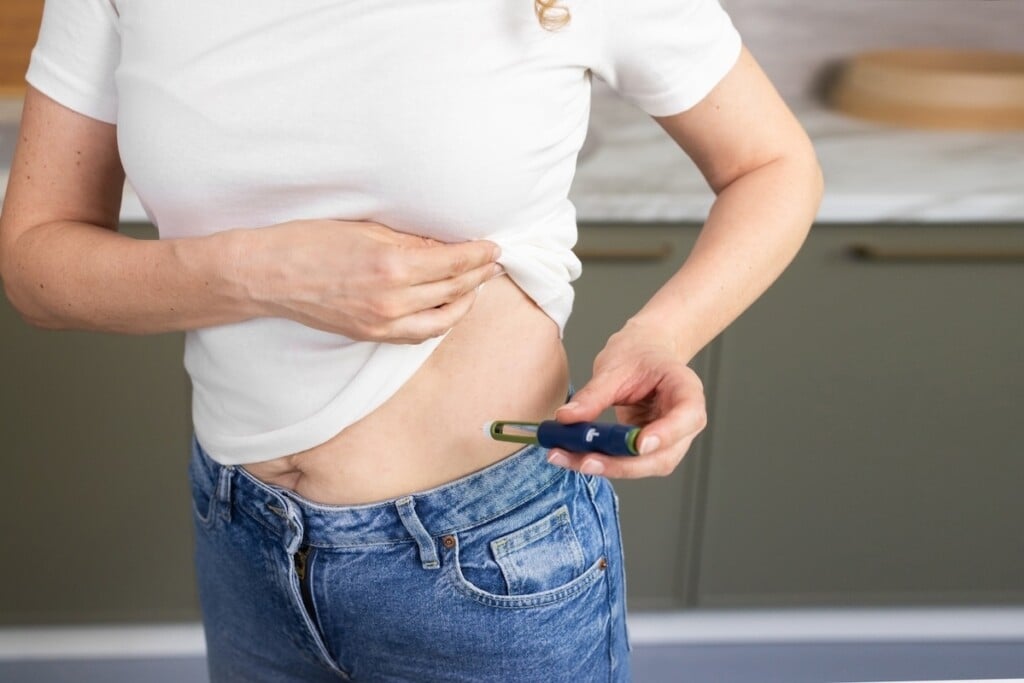
You’ve seen the commercials for them, read the news articles and lifestyle columns about their success and heard friends discussing them over lunch or at the water cooler. Maybe friends report taking them. Glucagon-like peptide-1 receptor agonists, more commonly known as GLP-1 medications and marketed under such names as Ozempic, Wegovy, Mounjaro and Trulicity, are one of the buzziest topics in the consumer medical space.
That’s for good reason. They have been revolutionary in managing and controlling Type 2 diabetes, a chronic condition that can cause, among other things, cardiovascular disease, heart attack, kidney damage, nerve damage and hearing loss. Also, these medications have been proven to be an incredibly effective weight-loss mechanism and a treatment for obesity— and a fast one at that.
Mechanism of action
How do they work? By copying the effects of hormones that are already in your body. Explains Colette M. Knight, M.D., chair of the Diabetes Institute and division director of Endocrinology and Metabolism at Hackensack University Medical Center in Hackensack: “GLP-1 medications are a class of drugs that mimic the action of the natural GLP-1 hormone. This hormone, released in the gut after eating, plays a key role in regulating blood sugar and appetite.” As the doctor explains, the medications stimulate insulin release to lower blood-sugar levels; block the release of glucagon, a hormone that raises blood sugar; and slow the rate at which food leaves the stomach, helping to prevent blood-sugar spikes after meals and contributing to a feeling of fullness. They also act on the brain to reduce hunger signals, which can lead to eating less.
Besides being prescribed to patients with Type 2 diabetes for their effectiveness in regulating blood sugar, Dr. Knight says, “some GLP-1 medications are FDA-approved for weight loss in people with a BMI [body mass index] of 30 or higher, or a BMI of 27 or higher with a weight-related health condition such as high blood pressure or sleep apnea.” (See “Find Your BMI,” at right.) The Centers for Disease Control and Prevention (CDC) define a “healthy” BMI as between 18.5 and 24.9 percent. Depending on the medication and the person, patients using GLP-1s for weight loss lose an average of 10 to 15 percent of their body weight in a year; some patients lose more than 20 percent.
A host of benefits
For many, shedding that weight isn’t just a matter of vanity. Obesity is one of the leading risk factors for heart disease and heart attacks, says the CDC. It can also lead to metabolic dysfunction-associated steatotic liver disease (MASLD)—formerly known as nonalcoholic fatty liver disease—which can cause liver damage and cirrhosis. Obesity can also trigger joint problems and respiratory conditions such as asthma. But losing weight, despite its health benefits, can be hard. GLP-1s make it significantly easier. Though not everyone who goes on these drugs will lose a significant amount of weight (“Everyone responds to drugs in different ways,” says the doctor), many find a lot of success with it.
“The benefits of these medications can be life-changing for many patients,” says Dr. Knight. “Beyond the primary benefits of blood-sugar control and weight loss, patients may experience improved cardiovascular health and a reduced risk of heart attack and stroke, a slowed progression of chronic kidney disease, lower blood pressure and cholesterol and relief from sleep-apnea symptoms.” Overall, taking these drugs can bring a serous quality-oflife boost. “Many patients report increased energy, better mobility and a more positive outlook on their health,” says the doctor.
Also needed: lifestyle changes
However, this is not a “one-and-done” cure-all, according to Dr. Knight. “GLP-1s are most effective when used as part of a comprehensive plan that includes diet and exercise. They are not intended for people who want to lose a few pounds for cosmetic reasons. To achieve the best and most sustainable results, it’s crucial to combine these medications with healthy lifestyle changes. These are not meant to be a substitute for a healthy lifestyle, but rather a tool to help you adopt one.”
Those lifestyle changes include dietary changes, regular exercise and addressing any unhealthy eating behavior. “Focus on a balanced diet rich in whole foods, including lean proteins, fruits, vegetables and whole grains,” says Dr. Knight. “Managing portion sizes is also key.” She recommends reaching out to a registered dietitian or nutritionist for help with meal plans. “Exercise helps with weight loss and improves cardiovascular health, and it can also help preserve muscle mass, which can be lost during weight loss,” says the doctor. Focusing on muscle building and strength training in particular while on a GLP-1 helps prevent muscle-mass loss.
Dr. Knight adds: “Address emotional eating and stress management, and seek support from a therapist if you need it. You also need to prioritize getting enough quality sleep, as it plays a role in appetite regulation and overall health.”
GLP-1 medications are not for everyone. The doctor says they should be avoided by people with a history of pancreatitis, individuals with severe gastrointestinal diseases such as gastroparesis and pregnant or breastfeeding women, in addition to people with specific endocrine cancers or disorders such as medullary thyroid carcinoma (MTC) or multiple endocrine neoplasia syndrome type 2 (MEN2). Those with a history of eating disorders are also cautioned to stay away from them.
Know the side effects
There are also side effects to look out for. Says Dr. Knight: “The most common ones are gastrointestinal and include nausea and vomiting, diarrhea, constipation and abdominal pain. These side effects are usually most pronounced when starting the medication or increasing the dose, and often lessen over time. They are also often mild.” These common side effects can be managed by eating smaller, more frequent meals, avoiding fatty, greasy or spicy foods and staying well hydrated, per our expert.
There is also a chance of more severe side effects. Pancreatitis (inflammation of the pancreas), gallbladder problems such as gallstones, kidney problems, hair loss and sarcopenia (loss of muscle mass and strength) have all been reported and, per Dr. Knight, “there’s a potential increased risk of thyroid C-cell tumors, though this has primarily been seen in animal studies.”
More than anything, the doctor stresses that going on GLP-1 drugs is a medical decision to be discussed with your primary care doctor. “These medications are a significant advancement in the treatment of diabetes, obesity and metabolic health, but they are not a one-size-fits-all solution,” she says. “It’s essential to have a thorough discussion with your doctor or medical provider to determine if these medications are right for you and develop a comprehensive treatment plan that includes lifestyle modifications. Working closely with your healthcare provider is key to maximizing the benefits and minimizing the risks.”
FIND YOUR BMI
To calculate your body mass index (BMI), divide your weight in kilograms by your height in meters squared. Or log onto the website of the National Heart, Lung, and Blood Institute (nhlbi.nih.gov), search “Calculate BMI” and enter your height and weight into the online calculator. And remember: As endocrinologist Colette M. Knight, M.D., explains, GLP-1 medications “are not intended for people who want to lose a few pounds for cosmetic reasons.”